Elements Of Concern- pesticides in the periodic table
By
Pesticides in the Periodic table
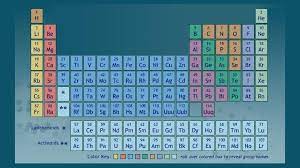
Pesticides are chemicals that contain oxygen, sulfur, chlorine, nitrogen, phosphorus, mercury, and bromine as well as heavy metals such as copper, arsenic, sulfates, lead, and mercury – they are simply chemicals. They are used in the agriculture sector to control and/or eliminate pests.
Chlorine= Symbol– Cl –Atomic # 17 – Element Category– Halogens
Humans have harnessed chlorine and most commonly use it for disinfecting purposes. Chlorine’s potential toxicity is not limited to mold and fungus and has actually been linked to serious health dangers for humans
Oxygen= Symbol– O –Atomic # 8 – Element Category – Other Non-Metals
Oxygen toxicity is a condition resulting from the harmful effects of breathing molecular oxygen (O2) at increased partial pressures. Severe cases can result in dangerous and life threatening situations.
Sulfur= Symbol – S Atomic # 16 – Element Category– Other Non-Metals
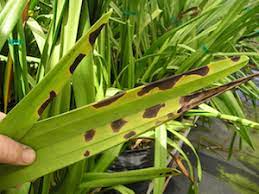
Sulfur is a chemical element that is dangerous because it poses a threat on multiple levels: it is flammable, corrosive, and damaging to the health of anything that breathes it in. It is used to prevent rusts, leaf spots and mildew. this affects algae growing and effects the animals who rely on algae.
Phosphorus= Symbol – P – Atomic # 15 – Element Category – Other Non-metals
High phosphorus levels can cause damage to your body.
Nitrogen= Symbol – N – Atomic # 7- Element Category– Other Non-metals
Bromine= Symbol – Br- Atomic # 35 – Element Category– Halogens
Mercury= Symbol– Hg- Atomic # 80 – Element Category – Other metals
These are the few examples of the elements in pesticides. Each contains a potential risk to the ecosystem.
- a fungicide is used against fungi that cause diseases and other damage to crop plants and animals
- a herbicide is used to kill weeds, which are unwanted plants that interfere with some human purpose; most use in agriculture and forestry is intended to release crop plants from competition, while horticultural use is mostly for aesthetics
- an insecticide is used to kill insects that are pests in agriculture, horticulture, or forestry, or that spread diseases such as mosquito vectors (a path by which a disease is spread) of malaria, yellow fever, and encephalitis
- an acaricide is used to kill mites that are pests in agriculture, and ticks that are vectors of ailments such as Lyme disease and typhus
- a nematicide is used against nematodes, which can damage the roots of agricultural plants
- a rodenticide is used to control mice, rats, gophers, and other rodents that are pests in agriculture or around the home
- an avicide is used to kill birds, which are sometimes considered pests in agriculture
- a piscicide is used to kill fish, which may be pests in aquaculture
- an algicide is used to kill unwanted growths of algae, for example, in swimming pools.
Pesticide use has been expanding rapidly, and this is happening in all countries, although to varying degrees. Although much is known about the environmental damage caused by the use of pesticides, not all of the potential effects are well understood. IS IT SAFE?
