Mercury Plants Leaking Into Waterways, Killing Humans and Sea Life
ByTo the Editor,
As there is more mercury being used in power plants by water, more mercury is leaking into that water and contaminating aquatic species and humans. There will most likely be a mercury poisoning problem bigger than the one we have at the moment. Humans can help fix that.
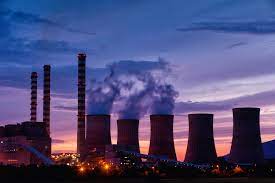
This is a Coal Burning Plant. Coal plants, the process of burning coal for energy produces steam that spins a turbine, which creates energy. But as this process occurs, we are exposed to hazardous compounds, such as Lead, Arsenic, and Mercury. It is not uncommon to find coal power plants near waterways, so it is not hard for them to release pollutants into the water. If the underwater ecosystem is infected with mercury, then marine life may consume the chemical element, and then humans may consume it too. Mercury causes neurological effects in humans, such as cognitive impairment, hearing difficulties, vision changes, and coordination loss. Mercury inhalation also affects the immune system. So when Sea Life is being affected, it also affects humans. In order to maintain the use of coal as a source of energy, it would be safer to build them far away from populations of sea life and humans. If you are committed to fossil fuels, it would be wise to use coal as a source of energy without contaminating the environment.
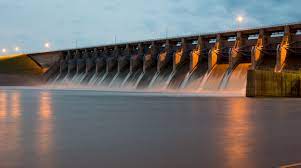
Here is a Hydroelectric Dam. Unlike coal-fired plants, hydroelectric plants do not release large amounts of greenhouse gases into the air. This is a useful tool in helping decrease air pollutant emissions, however, there is still a potential problem: mercury. It is true that mercury can be moved from the soil and into the water when hydroelectric power plants process electricity. As a result, mercury can be moved from vegetation to the water when hydropower plants process electricity. In both cases, there are pros and cons. You’ll recognize that both of these power plants have some adverse effects on the environment when you examine them. But when you extract coal and use it for energy, there is a very high probability that these toxic chemicals will end up in the water. When replacing coal-fired plants with hydroelectric plants, you need to decide how to operate them so that they do not flood and release mercury into the atmosphere. If you do this, you can reassure consumers that applying hydroelectric power is the safer option when it comes to energy.