Periodic table connections to the bee population
ByIn our everyday lifestyle we are surroudned by chemistry. Chemistry is everywhere and from looking at the periodic table helps us understand every single element of chemistry that is on our earth today. Every element of the planet that we live on is on the periodic table.
Pesticides are used all around our world and are really harmful towards the bee population and our environment. The main group of people using pesticides and insecticides are framers. The die off rate for bees from pesticides is 200-400 bees per day at a normal die off rate, 100 bees per day with a low kill off rate, and 500-900 bees per day at a high kill off rate. There are many different kinds of pestcides that are being used daily and staying on our plants and crops for hours and days killing hundreds of bees. Which is going to affect our food supply hugely in the future, if things keep happening the way they are going.
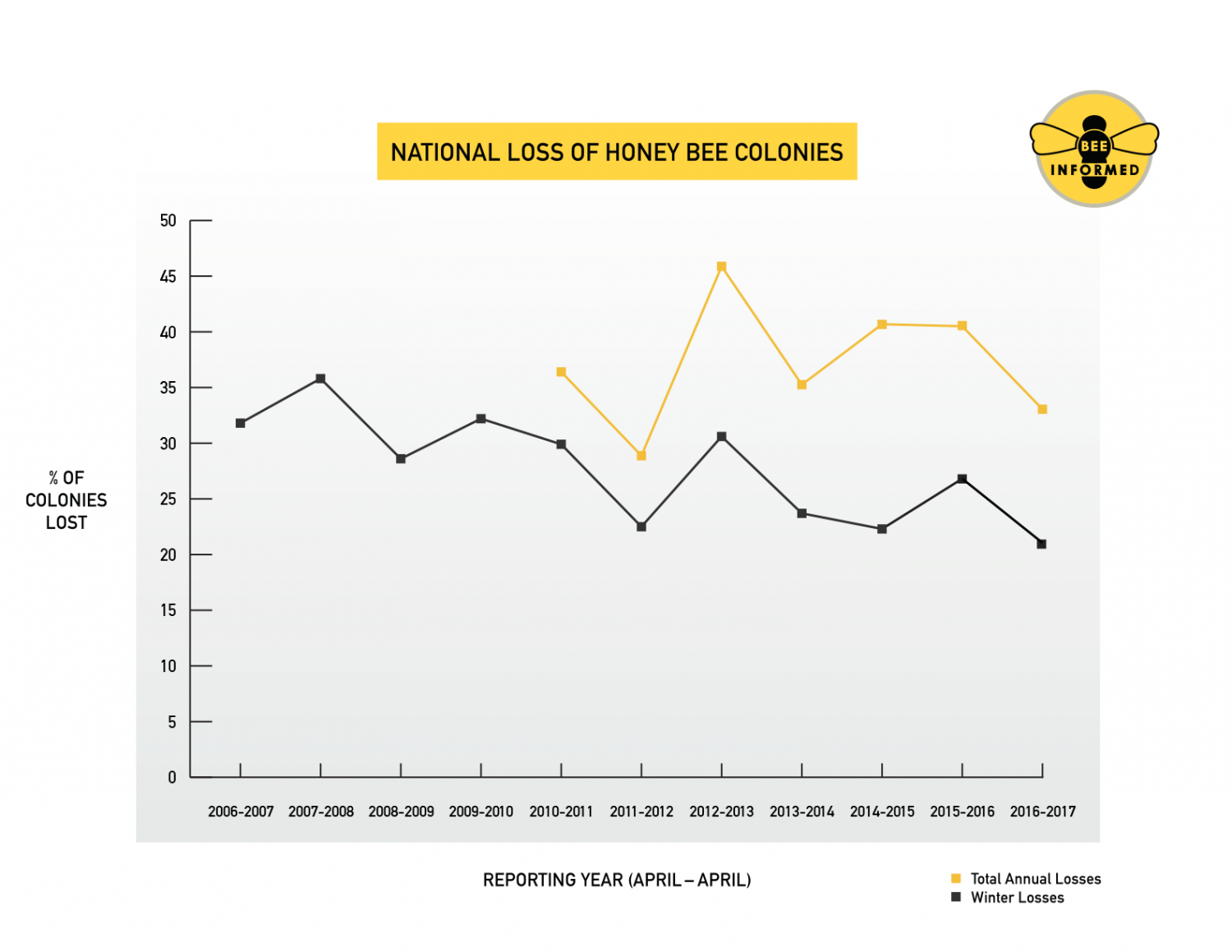
There are hundreds of different pesticides being used daily for all different reasons that are made up of elements from the periodic table. Here is three types of pesticides and their periodic table elements.
Permethrin: C21Cl2H20O3
Dimethoate: C5H12NO3PS2
Cypermethrin: C22H19Cl2NO3
Carbon is formed with several different types of pesticide ingredients and products. Carbon is naturally-occurring in our environment everywhere. It is also used for non-pesticidal uses. Carbon is a nonmetallic element found in all organic and many inorganic compounds. Now pure carbon can be found in three different forms: as a black powder, as graphite, and as diamond crystals. The main and only principal component in charcoal and coal is carbon.

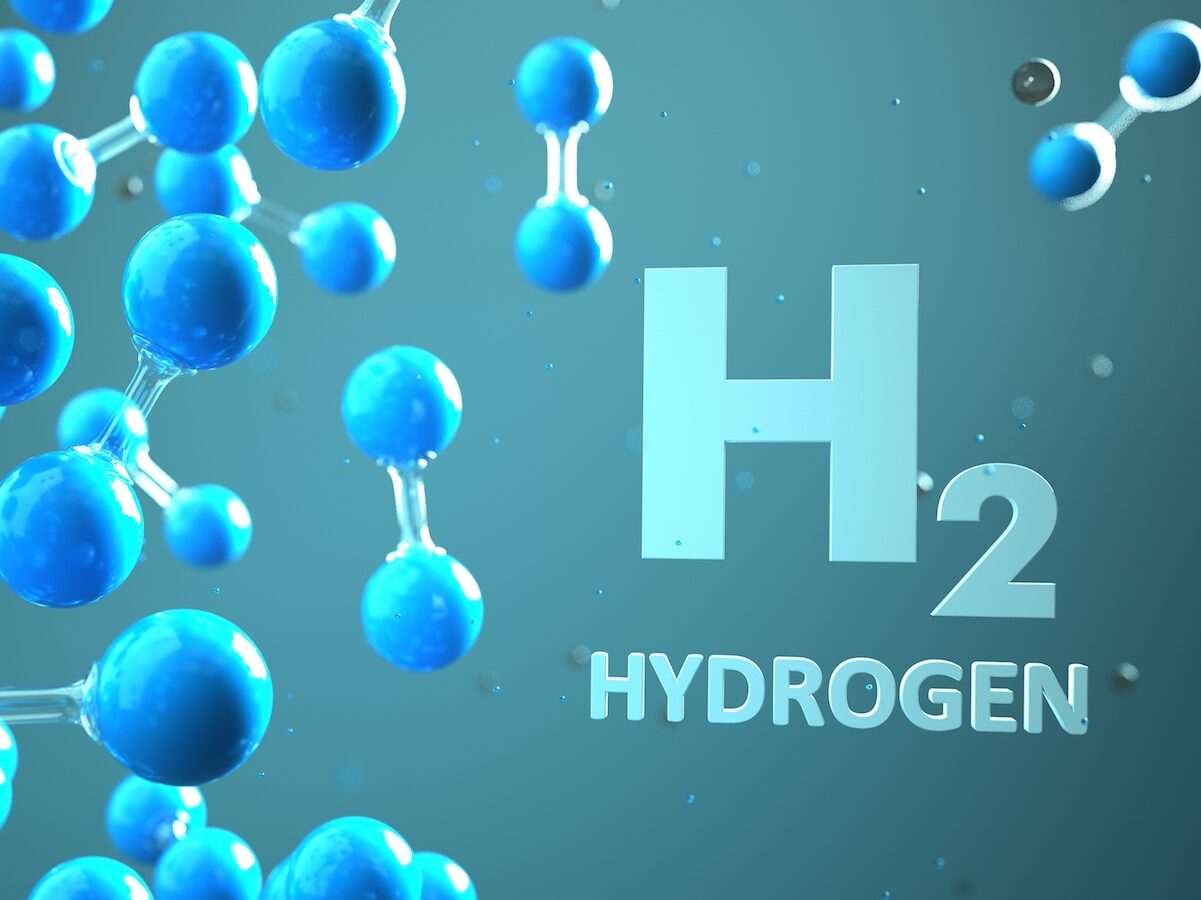
Hydrogen is the first element in the periodic table. On a normal day, with normal conditions it’s a colourless insipid gas, formed by diatomic molecules. It is found in pesticides, that are hurting the bee population. It’s one big atom that is formed by a nucleus with one unit of positive charge and one electron. Hydrogen atomic number is number 1 and its atomic weight is 1,00797 g/mol. Now hydrogen does not have one form, there are three hydrogen isotopes: protium, deuterium, and tritium. Hydrogen is on the Earth in a form of chemical compounds such as water, that is found everywhere.
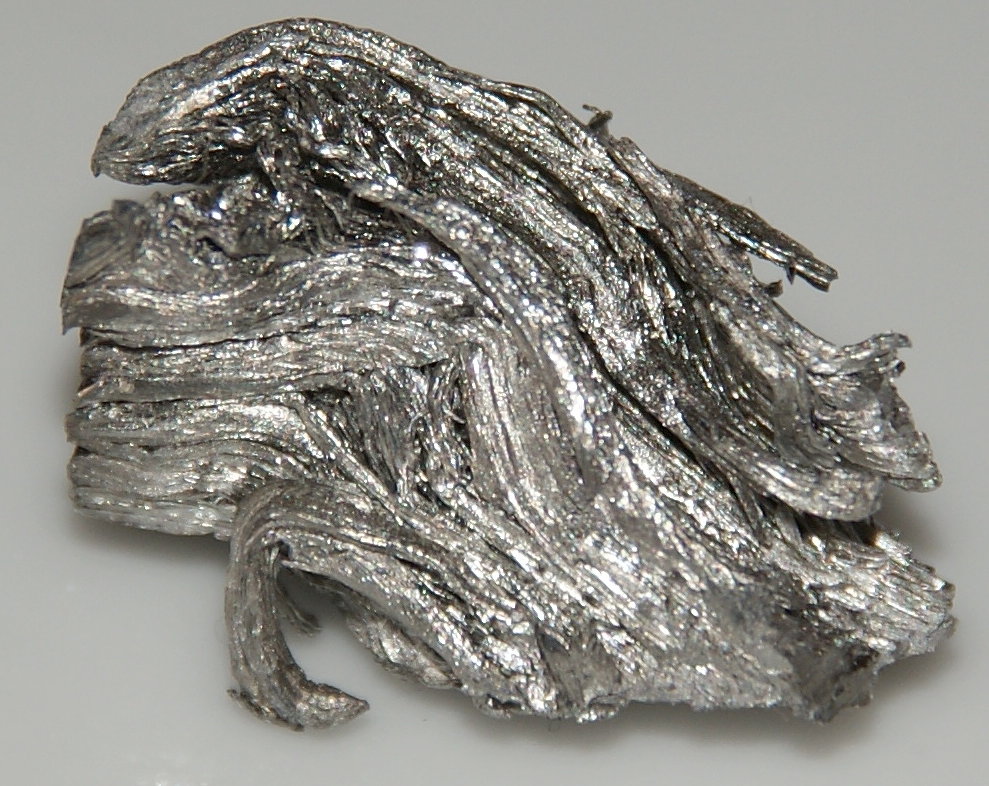
Holmium is a soft metal with a silvery colour, that is in the periodic table of elements. It gets attacked slowly by oxygen and water and dissolves into acids. At times it is stable, for example in dry air at room temperature. Holmium is found in many different kinds of pesticides that are effecting the bee population. On the good side holmium has no effects on the human body and our environment. Studies have noted that holmium appeared to have a low acute toxic rating, but pesticides need to come to a stop to save the bee population.