The Chemistry Within Pesticides.
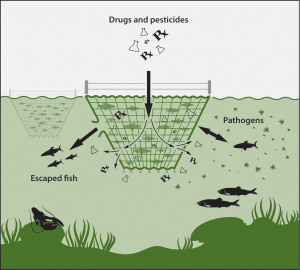
ByMy ecological issue was the danger of pesticides used in farming and agriculture, leaking into the ground and spreading to lakes, rivers, and oceans. It’s a lot more threatening to the environment then you really think. It causes a decrease in wildlife population, mutations/abnormalities, and contaminates the water.
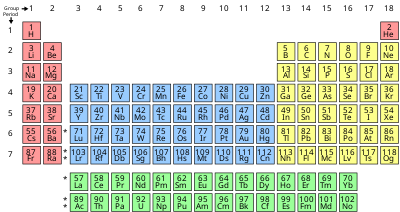
Pesticides are made up with elements from the periodic table. Each with their own effects towards wildlife. For example, some are not harmful such as oxygen, but others like mercury can have lethal effects. Some of the elements that are included in pesticides are chlorine (Cl), Sulphur (S), Bromine (Br), and mercury (Hg).
Mercury (Hg)
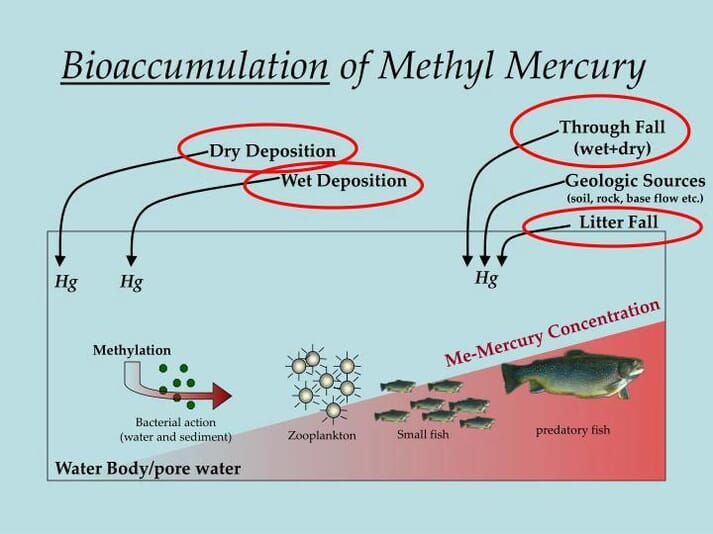
Mercury is a very harmful naturally occurring metal. When mercury is mixed with certain compounds in pesticides in natural water, it can threaten wildlife by creating a toxic chemical. Build up of mercury in fish can cause the most dangerous and toxic form of mercury- methylmercury. Methylmercury damages the brain and attacks at the immune system, weakening the fish and causing death.
Chlorine (Cl)
Chlorine is an oxidizing agent and water purifier in pesticides, but it also makes multiple useful compounds. Chlorine negatively impacts fish by killing the living cells. It also damages the sensitive gills and usually all the fish’s skin too. By consuming this chemical, the fish are put at risk of suffering major respiratory problems and can suffocate.
Sulphur (S)
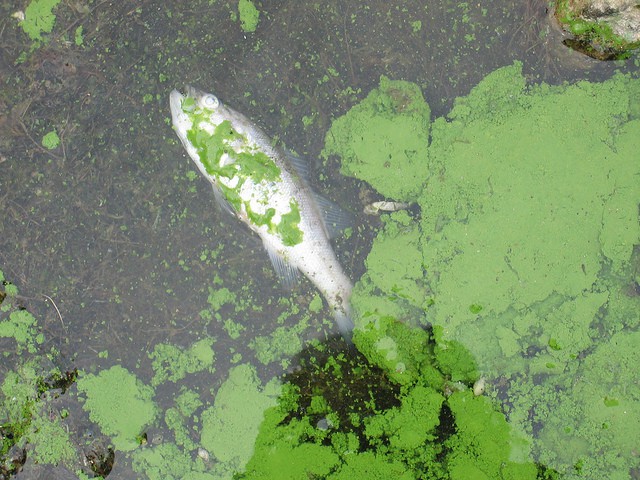
Sulphur is a chemical found naturally in soil. It is toxic to fungus, used to prevent black spots, rusts, leaf spots and powdery mildew on roses, other ornamentals, fruits and vegetables. When it contacts the water, it will start working against the algae. This can cause a detrimental effect on the algal growth. The animals that rely on algae are also effected, because they are losing their food resources.
Bromine (Br)
Bromine is used as soil fumigants in agriculture. Mainly fruit-growing and to prevent pests from attacking. Bromine is highly toxic to freshwater fish both warm and cold water. Inhalation exposure can cause Methyl Bromide Poisoning. Methyl bromide is an ocular, dermal, and mucous membrane irritant, but symptoms can take up to two days to appear.
All of these elements are negatively impacting the environment in different ways. Some attack the animals while others attack the plants and fungus. Either way, they need to be stopped. Eventually the build up of all these chemicals will become too much, and cause species to become endangered, and if already endangered, extinct.